
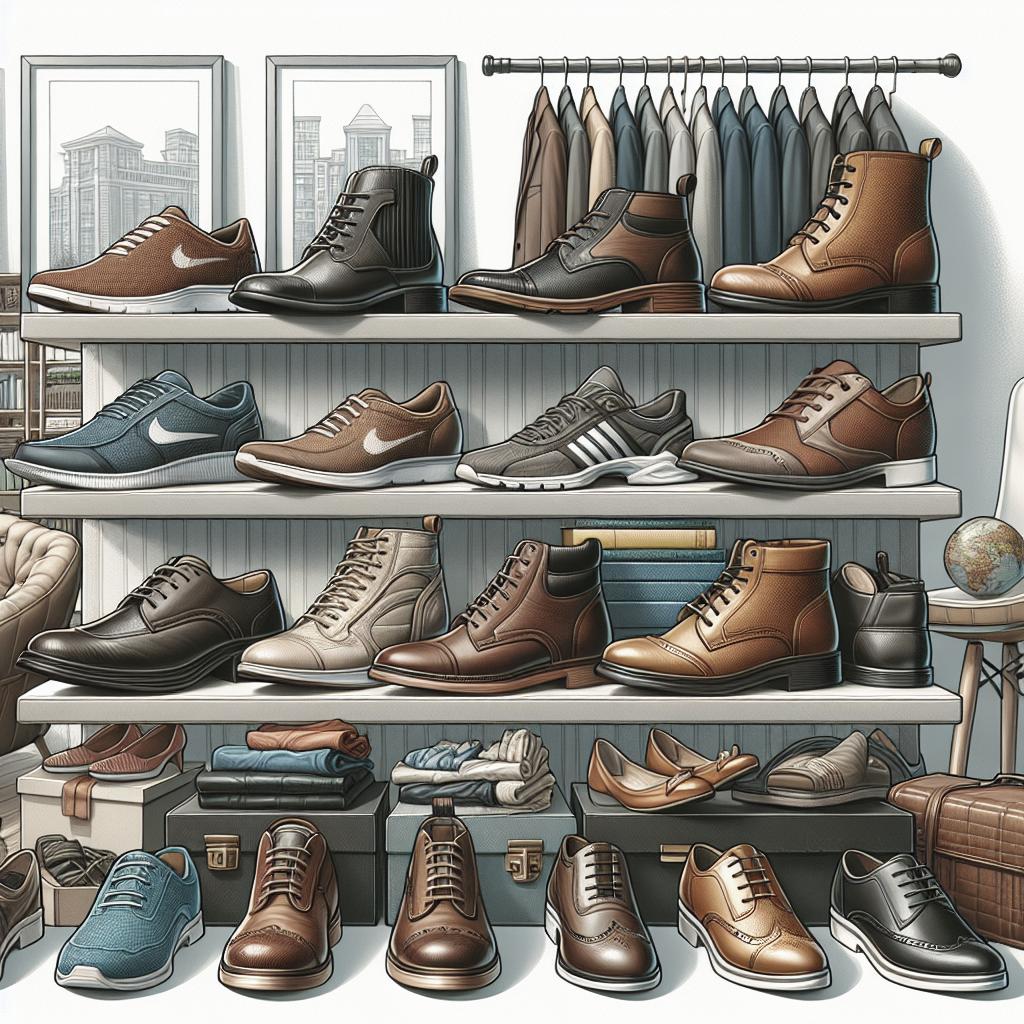
How to Find Versatile Shoes That Work for Various Occasions
Navigating the ever-expanding world of footwear can be daunting. Shoes, after all, play a pivotal role in
ensuring comfort, style, and appropriateness across multiple scenarios. This comprehensive guide delves into
the art of choosing versatile shoes suitable for various occasions. Whether you’re dressing for a casual day
out, a formal event, or adapting to the changing seasons, finding the perfect pair of shoes is essential.
From athletic gear to professional footwear, and tips on shoe care and sustainable fashion, discover how to
build an adaptable shoe collection that aligns with your lifestyle.
Why the Right Shoes Matter for Every Occasion
Choosing the right shoes for each occasion is crucial, not just for completing an outfit but also for
maintaining comfort and functionality. Shoes are one of the most essential elements of any attire, reflecting
personality, style, and appropriateness for specific settings. The correct footwear can boost confidence and
ensure a seamless transition between various scenarios.
Consider the difference a pair of shoes can make. Whether preparing for a casual outing, a high-stakes business
meeting, or a formal event, the right shoes align with the occasion’s demands. Ill-suited shoes can lead to
discomfort, detract from an outfit, or convey the wrong impression. Thus, the art of selecting versatile shoes
that work for different situations is integral to both fashion and practicality.
1. Casual Outings: Prioritizing Comfort and Versatility
When selecting shoes for casual outings, comfort and versatility are paramount. The goal is to find shoes that
seamlessly fit into a range of informal settings, from a day at the park to an afternoon shopping trip. Opt for
materials that breathe and provide adequate support without compromising on style.
Types of Casual Shoes to Consider:
Sneakers, loafers, and slip-ons often top the list of casual
footwear due to their ease of wear and adaptable design. Sneakers provide the ultimate comfort and versatility,
complementing a wide range of casual attire. Loafers offer a slightly more polished look while maintaining a
relaxed fit, and slip-ons deliver a hassle-free and stylish alternative. Prioritizing these types ensures you’re
ready for various casual scenarios.
2. Formal Occasions: Polished, Timeless Choices
Formal occasions call for polished, timeless shoes that enhance the sophistication of your outfit. Whether it’s a
business meeting, a wedding, or a gala, investing in high-quality formal shoes is a must. The right pair not
only elevates your attire but also conveys a sense of attention to detail and respect for the occasion.
Key Styles for Formal Events:
Oxfords and brogues for men, along with pumps and dressy flats for
women, are essential options for formal settings. These classic styles are known for their elegance and ability
to complement formal wear. They are often made from leather, providing both durability and a refined appearance,
which are critical elements for any formal event.
3. Seasonal Footwear: Adapting to Weather and Style
As seasons change, so do the footwear requirements. Choosing the right shoes to match the weather ensures you are
both comfortable and stylish. Seasonal shoes not only accommodate temperature changes but also keep you safe
from the elements, such as rain or snow.
Seasonal Shoe Recommendations:
For winter, insulated boots with non-slip soles are essential for
warmth and safety. Meanwhile, summer calls for breathable sandals or light fabric sneakers. During transitional
seasons such as spring and fall, versatile ankle boots or water-resistant shoes offer an ideal balance of style
and practical coverage. Considering the functionality and design of seasonal shoes ensures that your footwear is
season-appropriate and reliable.
4. Athletic and Sports Footwear: Prioritizing Functionality
Athletic and sports footwear prioritizes functionality, providing the necessary support, comfort, and durability
for physical activities. When selecting athletic shoes, consider the specific sport or activity to ensure you
receive the appropriate support and enhance your performance.
Athletic Shoe Types:
Running shoes, cross-trainers, and specialized sport shoes (like cleats or
court shoes) are pivotal for supporting different kinds of athletic pursuits. Running shoes offer cushioning and
shock absorption, cross-trainers provide multi-sport flexibility, and sport-specific shoes cater to unique
requirements, ensuring the shoe is fit for purpose and your specific needs are met.
5. Shoes for Professional Settings: Balancing Style and Practicality
Navigating professional environments requires shoes that balance style and practicality. Professional footwear
should be polished yet comfortable, allowing you to maintain an air of professionalism without sacrificing
comfort during long workdays.
Essential Business Shoes for Men and Women:
For men, derbies, loafers, and smart lace-up shoes
form the core of a professional wardrobe. Women can opt for elegant pumps, block heels, or chic flats designed
to offer both style and day-long comfort. These shoe types blend seamlessly with business attire, enhancing the
overall professional appearance.
Color Matching for Business Attire:
Neutral colors like black, brown, navy, and beige are
versatile options that pair well with most business outfits. These colors ensure your shoes complement rather
than clash with the ensemble, maintaining a professional and cohesive look.
6. Footwear for Special Occasions: Making a Statement
Special occasions provide opportunities to make a statement with your footwear. Choosing the right pair of shoes
can enhance your outfit and help you stand out, leaving a lasting impression that aligns with the event’s
nature.
Formal Events: Weddings and Black-Tie Affairs:
For such events, opt for sophisticated styles
such as satin heels or patent leather shoes that offer an elevated sense of style while remaining comfortable
enough to wear for extended periods.
Casual Special Occasions: Parties and Date Nights:
For more relaxed gatherings, incorporate fun
and personality into your footwear choices with bold colors or playful designs, such as embellished flats or
stylish boots that align with your unique style sensibilities.
7. Matching Shoes with Outfits: The Art of Coordination
Mastering the art of coordinating shoes with outfits is crucial for curating a harmonious look. A well-matched
shoe-outfit combination amplifies the overall style statement and reflects a keen sense of fashion
consciousness.
Tips for Shoe-Color Matching:
Synch your shoes with key elements of your outfit, such as colors
or accessories, to create a unified appearance. Neutral-toned shoes are versatile and complement a wide range of
hues, while bolder shoe colors pair well with neutral or monochrome attire, allowing the shoes to pop.
8. Comfort and Fit: Never Compromise on Foot Health
It’s essential not to compromise on comfort and fit when choosing shoes. Correct fit and support are vital to
maintain foot health, prevent injuries, and ensure all-day comfort, thus allowing you to focus on the
occasion—not your discomfort.
What to Look for in Comfortable Shoes:
Opt for shoes with well-cushioned insoles, supportive
arches, and breathable materials. Ensuring that there’s adequate room for your toes and proper heel support
minimizes friction and pressure, curbing potential discomfort and injury risks.
9. Seasonal Footwear: Adapting Your Shoes to the Weather
Summer Shoes:
In warmer months, prioritize shoes that offer breathability and moisture-wicking
properties. Lightweight sandals, espadrilles, and canvas sneakers are excellent for keeping your feet cool and
protected from the sun.
Winter Shoes:
Cold weather demands shoes that provide warmth and protection against the elements.
Insulated boots with waterproof features, lined with wool or fur, offer warmth, while non-slip soles ensure
safety on icy surfaces.
Spring and Fall Footwear:
Transitional seasons call for versatile shoes that adapt to changing
temperatures and conditions. Ankle boots, loafers, and water-resistant flats provide both style and function,
accommodating unpredictable weather patterns.
10. Shoe Care and Maintenance: Protect Your Investment
Understanding the importance of shoe care and maintenance is key to extending the life of your footwear. Regular
upkeep preserves the appearance and functionality of your shoes, ensuring they remain investment-worthy.
Shoe Cleaning Tips:
Consistently cleaning your shoes helps prevent dirt buildup and material
damage. Follow manufacturer guidelines for cleaning specific materials, such as using leather conditioner or
specialized sprays for waterproofing shoes.
Shoe Storage Tips:
Proper storage prevents unnecessary wear and deformation. Use shoe racks,
boxes, or preserve shoe shapes with inserts. Avoid damp environments where mold can develop, ensuring shoes
remain fresh and well-preserved.
11. Sustainable Footwear Trends: The Future of Shoes
Sustainable footwear is increasingly becoming an industry standard as consumers opt for environmentally friendly
options. These shoes are crafted with eco-conscious materials and processes, minimizing their carbon footprint.
Brands are adopting innovative solutions, like using recycled materials or bio-based leather, to create
sustainable shoes that do not compromise on style or comfort. By investing in sustainable footwear, you
contribute to a positive environmental movement while enjoying modern and ethical designs.
Future Prospects: Build a Shoe Collection That Works for You
Building a functional shoe collection requires thoughtful consideration of various factors, including occasion
appropriateness, style, comfort, and sustainability. By understanding the key elements that go into choosing the
right shoes and adapting them to different settings, you create a versatile wardrobe that supports your
lifestyle and aligns with your values.
Quick Recap of Shoe Types by Occasion:
| Occasion | Shoe Type | Key Feature |
|---|---|---|
| Casual Outings | Sneakers, Loafers, Slip-ons | Comfort and Versatility |
| Formal Occasions | Oxfords, Brogues, Pumps | Timeless and Polished |
| Seasonal Wear | Sandals, Boots, Ankle Shoes | Adaptability to Weather |
| Athletic Activities | Running Shoes, Trainers | Function and Support |
| Professional Settings | Derbies, Pumps, Smart Flats | Style and Practicality |
| Special Occasions | Satin Heels, Patent Shoes | Statement-making |
FAQ: Choosing the Right Shoes for Different Occasions
1. How do I know if my shoes are appropriate for an occasion?
Assess the event’s nature, formality, and environment. Consider footwear that aligns with the dress code and
complements your outfit.
2. Can I wear the same pair of shoes for both casual and formal occasions?
While it is possible to find shoes suitable for both scenarios, it is often better to match your footwear
specifically to the occasion. Versatile designs like loafers can transition between casual and semi-formal
environments.
3. How do I choose the right shoe material for different weather conditions?
Select breathable materials like canvas for summer, waterproof options for rainy seasons, and insulated designs
for winter.
4. What are the best shoes to wear for standing all day?
Look for shoes with cushioned insoles, proper arch support, and shock absorption to minimize discomfort during
long hours of standing.
5. Can I wear sandals to formal events?
Typically, sandals are not suitable for formal events. However, dressy heeled sandals with elegant straps can be
appropriate for less formal occasions or summer weddings.
6. How do I pair my shoes with accessories like belts and bags?
Coordinate colors and styles to create a coherent look. Matching shoes with accessories in a similar tone or
texture enhances the overall outfit.
7. What are the best shoes to wear in a professional setting with a business-casual dress code?
Opt for loafers, ankle boots, or conservative pumps that offer a balance between comfort and professional style.
8. How do I make sure my shoes stay comfortable during long events like weddings?
Ensure proper fit and choose designs with soft insoles. Consider using gel inserts for added comfort if needed.
9. How do I choose the right shoes for traveling?
Prioritize comfort and versatility. Look for shoes that are easy to slip on and off, can withstand long walks,
and suit different climates.
10. How do I know when it’s time to replace my shoes?
Replace shoes when they show signs of significant wear, such as worn-out soles, loss of support or cushioning, or
visible damage. Regular upkeep and observation extend shoe life and ensure optimal use.
Recent Posts
-
The Best Jackets for Fall 2023
-
Tech Gadgets You Can’t Live Without
-
Traveling on a Budget: Tips and Tricks
Menu

